
Where White Label Pilates Reformers Fit Alongside Established Brands
Established Pilates equipment brands are deeply rooted in professional studios, particularly across Europe, North America, and other mature markets. Their equipment is familiar to instructors, supported by established distributors, and often used across entire studio networks.
Yet these markets still have room for new equipment brands. Independent studios continue to open, fitness clubs are adding Reformer classes, and equipment dealers are expanding their product ranges.
For a white label Pilates Reformer brand, the opportunity is not necessarily to replace the equipment already used by premium studios. It is to serve customers whose needs are not fully covered by the products and prices currently available to them.
01. Established Pilates Equipment Brands Set the Benchmark for Studio Buyers
Premium Reformer brands have an advantage that goes beyond reputation. Their equipment is already familiar to instructors, and studios can often find technical information, accessories, and replacement parts through established channels.
Changing brands can therefore involve more than replacing the machines. Instructors may need time to become familiar with different spring resistance, adjustment mechanisms, and carriage movement. A studio may also need new spare parts, maintenance procedures, and accessories.
These concerns become particularly important when several Reformers are purchased together.
A studio owner choosing between Balanced Body, Merrithew, and YourReformer weighed the appearance of the machines against bulk discounts, equipment familiarity, and uncertainty about long-term durability. The lower-priced option was attractive, but cost was only one part of the decision.
That is a common obstacle for less familiar equipment brands. The buyer may like the price while remaining uncertain about how the machine will perform after several years of regular classes.
A distributor introducing white label Reformers must account for that uncertainty. A familiar brand cannot be displaced simply by offering similar-looking equipment at a lower quotation.
02. New Pilates Studio Openings Create a Choice Before Brand Loyalty Develops
New studio openings create a different purchasing situation.
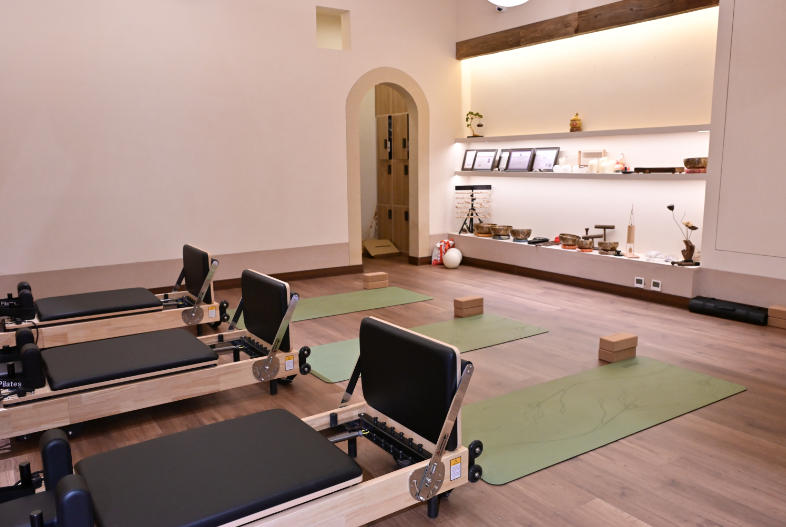
An established studio may already have equipment standards, while a new operator is making those decisions for the first time. The owner must choose Reformers alongside flooring, mirrors, lighting, renovation work, booking software, and instructor recruitment.
The equipment budget cannot be considered in isolation.
For example, a studio planning six Reformer stations needs to account for more than six machine prices. The choice affects the room layout, available exercise space, delivery requirements, and the accessories instructors will need.
A white label Reformer can be a reasonable option when an existing factory model meets the training requirements at a manageable cost.
The studio avoids paying for unnecessary configurations, while the supplier does not need to develop a completely new machine.
However, some new studios deliberately choose established brands from the beginning. Their instructors may already be trained on certain equipment, or the owner may want the reassurance of an established supplier.
The white label opportunity lies with operators willing to assess the actual product rather than make the decision primarily on brand recognition.
A sample becomes especially important here. It allows the studio's instructors to evaluate the machine before the owner commits to purchasing several units.
Clear specifications, warranty conditions, and access to replacement parts can also make a less familiar supplier easier to consider.
03. Fitness Clubs Are Creating a Separate Sales Channel for Reformer Equipment
Not every Reformer Pilates business begins as a standalone studio.
Fitness clubs increasingly have reasons to introduce Reformer classes within existing facilities. They may already have suitable rooms, members interested in new group exercise formats, and staff who can receive additional training.
The European market offers a concrete example.
Fitness First UK expanded its PILAT3S Boutique-in-Gym partnership to five locations by September 2026, adding studios in London and St Albans to its earlier locations. The model combines Reformer equipment with a structured class program and instructor development.
PILAT3S is a branded studio concept, not a white label equipment arrangement. Its relevance is that an existing fitness business can introduce Reformer Pilates without building an entirely separate studio network.
This creates a potential customer group for equipment distributors already supplying gyms and fitness clubs.
A commercial gym planning to introduce Reformer classes may already trust its current fitness equipment dealer. Buying from that dealer can simplify purchasing, delivery, and local support.
For a dealer adding Pilates equipment, the product range must reflect the way these facilities operate. Group classes require consistent machines, practical adjustments, and equipment that can withstand the intended frequency of use.
The dealer also needs enough product knowledge to explain the differences between a Reformer and other types of fitness equipment. A suitable machine is only one part of establishing the new activity.
This market is attractive because dealers can introduce Pilates equipment through relationships they already have, rather than depend entirely on finding specialist Pilates studios.
04. Studio Expansion Does Not Always Mean Switching Reformer Brands
An expanding studio may need additional Reformers without wanting a different supplier.
If a business adds two machines to an existing room, matching its current equipment often makes the most sense. Instructors already know the adjustment system, and members can expect a consistent experience.
The same applies to a second location that follows the original studio's teaching model.
However, expansion sometimes introduces a different type of facility.
A premium studio may open a smaller branch serving another neighborhood. An operator may add a Reformer room inside an existing gym. A business that began with private sessions may introduce small-group classes.
These changes can lead to different equipment requirements.
A distributor offering white label Reformers has a stronger opportunity when the new project has a distinct budget, customer group, or operating model.
Replacing an established studio's entire equipment range is a more difficult proposition. It may involve changes to instructor routines, maintenance, and existing accessories without providing a clear commercial benefit.
For this reason, expansion projects should be assessed according to the new location's needs rather than treated as automatic replacement opportunities.
05. A White Label Product Line Needs Its Own Customers and Dealer Margins
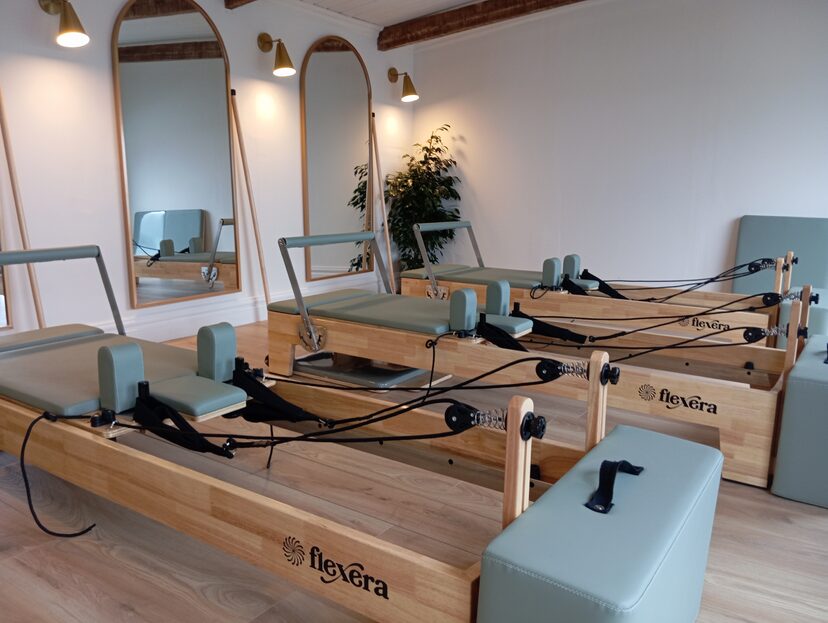
For distributors already carrying premium Pilates equipment, a second product line can reach customers who fall outside the original brand's price range.
Consider a dealer with a strong reputation among premium studios. Its sales team may also receive inquiries from newly established studios, smaller fitness facilities, and buyers who cannot justify the cost of its existing products.
Those inquiries do not necessarily require the dealer to abandon its premium brand.
A separate white label range can serve the additional customers, provided the two ranges have clear positions.
The premium line may retain its established brand recognition, specialized configurations, and product ecosystem. The dealer's own range might concentrate on a smaller number of proven commercial models, standard configurations, and a more accessible selling price.
The distinction must be real.
Selling two nearly identical Reformers under different names, with a large price difference and no clear explanation, risks confusing customers and weakening the original premium offering.
The economics also need careful attention.
Factory price is only the beginning. Freight, import charges, storage, local delivery, assembly, replacement parts, warranty claims, and sales costs all reduce the margin available to the dealer.
A cheaper Reformer may be less profitable if it requires unusually expensive transportation or creates more service work after delivery.
Distributors also need to review any contractual restrictions attached to their existing brands. Exclusive territories, competing-product clauses, or other distribution commitments may limit how an additional range can be introduced.
A successful second line should extend the business into a customer segment it was previously missing, rather than create unnecessary competition within the dealer's own catalogue.
06. Manufacturer Support Determines Whether a White Label Range Can Grow
The first order establishes the product. Repeat orders reveal whether the supply arrangement can support a real business.
For a distributor, this begins with an approved sample and a clear product specification. The machine delivered six months later should match the agreed model in its important components, configuration, and appearance.
Parts availability is another consideration.
Established manufacturers have made product support part of their offering. Balanced Body's Studio Reformer support library, for example, includes assembly information, maintenance resources, and instructions for several equipment adjustments and retrofit components.
An independent brand may operate on a smaller scale, but its distributor still needs a workable way to service machines after delivery.
This becomes more important as the installed equipment base grows. A dealer with fifty Reformers in local studios has different spare-parts responsibilities from a business that has sold only two demonstration machines.
Clear Pilates manufacturer communication matters when specifications change, because a revised wheel, spring, or fitting may affect compatibility with Reformers already sold under the distributor's brand.
Logo application, brand plates, packaging, and available finishes can help establish the new product identity. They are useful only when the underlying model can be supplied and supported consistently.
The distributor is the business customers will contact when equipment needs attention. Its manufacturer's reliability is therefore part of the distributor's own reputation.
Conclusion
Established Pilates brands will continue to have strong positions in professional studios. Their familiarity, product systems, and support networks give customers reasons to remain loyal.
White label Reformers serve a different commercial purpose.
New studio openings provide opportunities before equipment preferences are fixed. Fitness clubs offer another sales channel, while established distributors can use a separate product line to reach customers outside their premium range.
The opportunity is strongest when the product has a clearly defined buyer, a sustainable selling price, and reliable supply behind it.
For distributors, building an independent Pilates equipment brand is less about competing with every established manufacturer and more about serving the customers their current product range does not reach.