
Pilates Equipment Distributors: How We Work Together
Pilates equipment distributors come from different business backgrounds. Some already sell gym equipment and want to add Pilates products to their range. Others begin with Pilates Chairs and Ladder Barrels before introducing Reformers. We also work with established brand dealers looking to serve customers at different price points.
Some Pilates studio owners sell equipment alongside running their studios.
These businesses don't all need the same products or purchasing arrangements. As a Pilates equipment manufacturer, we find it more useful to understand their customers, existing sales channels, and plans for growth than to focus only on how many Reformers they currently sell.
1. Different Businesses Can Become Pilates Equipment Distributors
An established gym equipment dealer may already have most of the resources needed to introduce Pilates products.
Many supply strength and cardio equipment to commercial gyms, fitness clubs, hotels, and other facilities. They have sales teams, established customer relationships, and experience handling large equipment orders.
When an existing customer decides to add a Pilates area or introduce Reformer classes, the dealer has an opportunity to supply that equipment as well.
Specialist Pilates distributors approach the market differently. They often work directly with studio owners and instructors, understand equipment preferences, and know which models are familiar to customers in their region.
Some of our studio customers also take part in equipment sales.
They may run their own Pilates classes while occasionally helping other studio owners purchase equipment. Others gradually develop regular resale business through their local contacts.
These customers might not have a dedicated showroom or sales department. Their studios already provide a place where people can see equipment in use, and their teaching experience helps them discuss its practical features.
However, occasional referrals and regular distribution are different arrangements. A studio introducing a buyer may not want to handle inventory, delivery, or warranty claims. A studio purchasing equipment for resale may take on those responsibilities.
The important thing is to understand how each business actually operates.
A distributor with a large sales network isn't automatically the best choice, just as a smaller studio-based reseller shouldn't be overlooked. Their value depends on the customers they can reach and the products those customers need.
2. Expanding the Product Range at the Right Stage
Not every distributor starts with a complete Pilates equipment catalog.
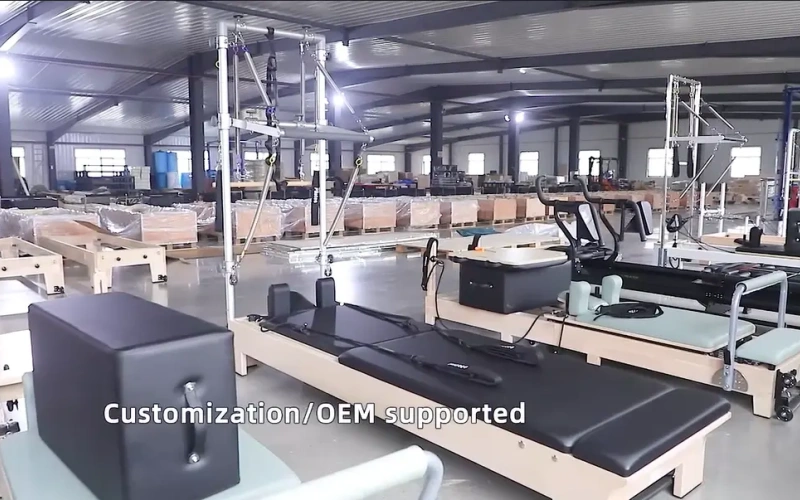
Some of our customers initially focus on Pilates Chairs and Ladder Barrels. These products can require less investment per unit than Reformers, making them a practical starting point for certain businesses.
As sales develop, customers may begin asking about Reformers. A distributor that already supplies Chairs to local studios might find that those same customers want more equipment when they expand their classes or open another location.
Adding Reformers then becomes a response to existing demand rather than a decision to stock every available model.
Gym equipment dealers follow a similar principle from a different starting point. They may already sell a broad range of fitness machines and see Pilates as an additional category for their established customers.
We also work with distributors who represent well-known Pilates brands.
These dealers generally understand Reformers and already have customer relationships. Their reason for contacting another manufacturer is often different: they want to expand their price range.
A studio may appreciate a premium brand but lack the budget to equip an entire training room with its Reformers. The distributor can offer another suitable product line instead of losing the inquiry.
Some dealers add a second brand, while others develop their own private-label equipment. The challenge is giving white-label Reformers a clear place alongside established products, without competing on price alone.
The new range needs a clear place in the business. Different prices should reflect appropriate product configurations and market positioning, without compromising the safety and reliability customers expect.
Understanding why a distributor wants to expand is often the best starting point for discussing which models to supply.
3. Choosing Equipment That Fits the Local Market
A distributor selling to commercial gyms may have different requirements from one serving boutique Pilates studios.
For example, a gym equipment dealer might receive inquiries about aluminum Reformers for group training areas. A specialist studio supplier may find that customers prefer wooden frames, particular upholstery finishes, or Reformers with Towers.
The most suitable white-label Reformer depends on the market and customer.
Before recommending equipment, we discuss the distributor's intended customers, price range, and product requirements.
Some experienced dealers already know the exact dimensions, spring configurations, frame heights, and accessories they need. Others are still deciding which models would suit their customers.
Both situations are normal.
For a distributor entering the Reformer category, starting with a limited number of well-chosen models may be easier than introducing a broad range immediately.
Established dealers may have more specific requests, especially when developing private-label products.
These can include logos, upholstery colors, accessories, or changes to mechanical components.
A different upholstery color is relatively straightforward to discuss. Changing a Footbar mechanism, carriage rail profile, or Tower connection requires closer technical review because those parts affect other components.
Drawings and sample approval become important when modifications go beyond appearance.
Manufacturers also need to understand how the distributor plans to demonstrate the equipment.
Some have their own showrooms. Others use a sample machine or arrange demonstrations through a partner studio. A studio owner who also sells equipment may already have suitable machines available for visitors to try.
There is no single method that works for every distributor.
4. Managing Orders, Shipping, and Delivery
Purchasing arrangements usually develop alongside the distributor's business.
A company introducing Reformers for the first time may want to test demand with a small selection of models. An established distributor may already know its requirements and plan purchases several months ahead.
Our regular distributor customers often provide clear model specifications and purchasing schedules. Once the details are confirmed, we coordinate production around the agreed orders.
This becomes especially important when shipments include different upholstery colors, frame materials, accessories, or private-label specifications.
Both sides need to know exactly what is being produced and when it is expected to be ready.
Shipping also requires practical attention.
Reformers are large pieces of equipment, and distributors need suitable arrangements for unloading, storage, and delivery to their customers.
Some of our customers specify the height of the wooden supports beneath shipping crates because of the handling equipment used in their warehouses.
Another customer told us that Reformers from a previous supplier had been packed so tightly that removing them required dismantling the wooden crates. They appreciated the additional room in our packaging because the equipment was easier to unpack.
Compact packaging may reduce freight volume, but it also needs to work for the people receiving the shipment.
These details are easy to overlook during an initial quotation. They become much more noticeable when a distributor handles repeated deliveries.
Smaller resellers and studio-based sellers may not operate their own warehouses. They might arrange delivery through a freight forwarder or another service provider.
That can work, provided the parties agree in advance on who handles transportation, unloading, installation, and any damage reported on arrival.
5. Product Consistency and After-Sales Support Matter
For distributors, the relationship with a customer continues after the equipment has been delivered.
Studios may need replacement springs, ropes, rollers, or other parts. They may also ask for help with maintenance or adjustments.
An established gym equipment dealer may have its own technicians or service partners. A smaller Pilates reseller might handle customer communication and contact the factory when technical assistance is needed.
A studio that occasionally refers customers may not provide repair services at all.
These differences should be discussed before orders are placed.
If the distributor handles warranty claims, it needs to know what information to collect, how problems will be assessed, and how replacement parts will be supplied.
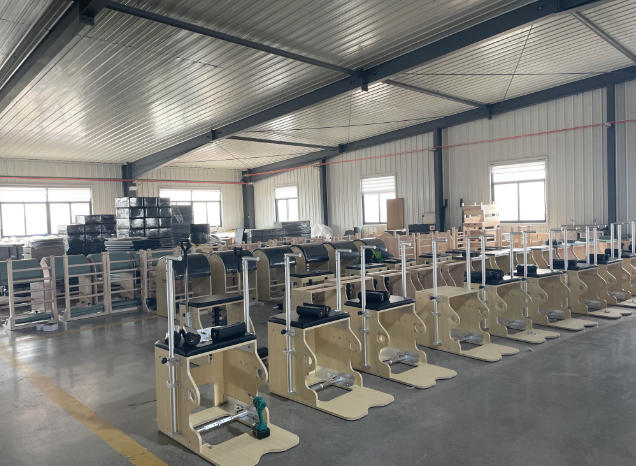
The manufacturer also needs to provide accurate technical information and maintain consistency across production batches.
For example, if a roller or other component changes on a later version of a Reformer, the factory should be able to identify which replacement parts are compatible with earlier machines.
This is particularly important for distributors carrying the same models over several years.
Private-label products require similar attention.
Once a sample has been approved, the agreed upholstery, frame details, spring configuration, and accessories need to be followed in subsequent production.
Feedback from distributors is valuable here. They may notice a recurring maintenance question, an assembly detail that confuses customers, or a feature that could be improved.
These are things a manufacturer may not see when inspecting finished equipment inside the factory.
6. Building a Distribution Partnership That Works for Both Sides
As a distributor's business grows, discussions usually move beyond individual orders.
Regular customers may want to plan production in advance, negotiate purchasing arrangements, develop exclusive product specifications, or discuss regional sales rights.
These arrangements depend on the products, market, and nature of the cooperation.
For example, one of our major customers has a dedicated upholstery color code reserved for its Reformers. We don't offer that particular color to other distributors or studio customers.
This helps the customer maintain a distinctive product range.
It is different from granting exclusive distribution rights across a country. One protects an agreed product specification; the other concerns the market in which products may be sold.
Regional exclusivity therefore needs separate discussion, including the territory, covered products, existing customers, and any purchasing commitments.
Not every distributor needs the same arrangement.
A studio owner who occasionally helps another business purchase equipment may be interested in a straightforward referral or resale arrangement. A growing dealer may focus on developing a reliable product line. An established distributor investing in a new market may want clearer territory and product protection.
Manufacturers have responsibilities in each case.
Reliable product quality, realistic production schedules, technical support, and consistent specifications help distributors serve their customers.
Distributors contribute local market knowledge, customer relationships, sales effort, and practical feedback.
We have found that established cooperation becomes more efficient when both sides understand which models sell, what customers expect, and how orders should be organized.
The relationship does not have to begin with a large purchase. What matters is having a workable arrangement that can develop with the business.
Conclusion
Pilates equipment distribution takes different forms.
An established gym equipment dealer may add Pilates products for its existing customers. A smaller reseller may expand from Chairs and Ladder Barrels into Reformers. A premium brand dealer may introduce another price range, while a Pilates studio owner may begin selling equipment through local professional contacts.
Each business brings different opportunities and requirements.
For us, a useful partnership begins with understanding the customers a business serves and finding equipment and supply arrangements that suit its market.
Whether you're expanding an existing equipment business or considering your first Reformer range, discussing your customers, product needs, and purchasing plans is a practical place to start.