
How to Choose the Right White Label Pilates Reformer for Your Market
A Pilates Reformer that sells well in one market may struggle in another. Even within the same city, studio owners can have very different expectations of equipment quality, appearance, and price.
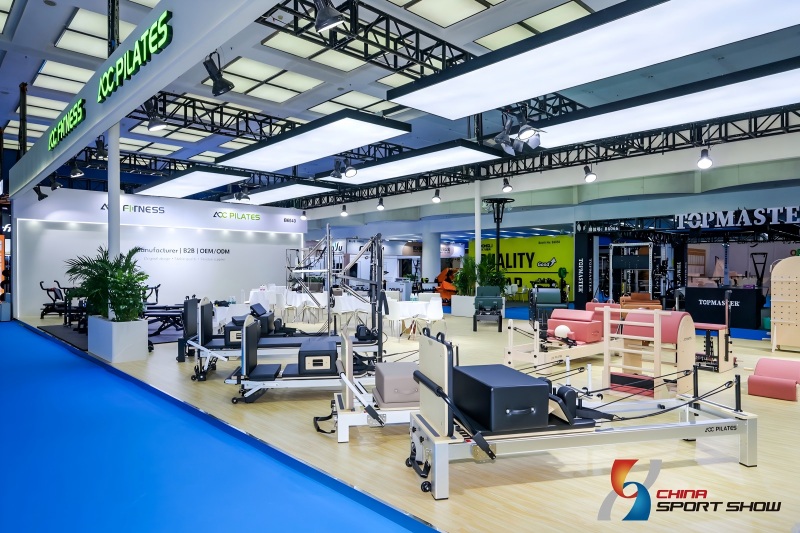
We saw this during a recent trade show visit to Indonesia. Some high-end studios invested heavily in their interiors and original equipment from established international brands. Other buyers focused almost entirely on price and were willing to accept less refined workmanship.
We also noticed something that affects equipment choices beyond the training floor: many Pilates members enjoy taking photos and videos after class and sharing them on social media.
For anyone building a white label Pilates equipment brand, these details matter. The right Reformer must fit the local market, the studio's daily operation, and the image its owner wants to create.
1. Identify Your Target Customers Before Choosing a White Label Pilates Reformer
Start by understanding who will buy your equipment.
A dealer supplying commercial gyms may need practical, durable Reformers for group classes. A studio owner selling equipment through professional contacts may focus on models they know from teaching. An established distributor may want a more affordable range alongside the premium brands it already represents.
Indonesia shows why these differences matter.
At the high end, some studios invest in equipment from established international brands rather than lower-priced alternatives.
Komune Health Hub in Bali has a 100-square-meter Pilates studio equipped with six Merrithew SPX Reformers. Jakarta City Centre Pilates uses Balanced Body apparatus, while Balance Pilates & Fitness Studio describes its flagship location as equipped with original STOTT PILATES Reformers, Chairs, and Towers.
These studios have made deliberate equipment choices. Their instructors may already be familiar with those machines, and the brand itself may support the studio's professional positioning.
An unfamiliar white label Reformer will not automatically win their business by offering similar specifications at a lower price.
Yet other buyers we met in Indonesia had very different priorities. Some were highly price-sensitive and willing to accept finishing details that premium customers would reject.
Both groups offer business opportunities, but they require different products and sales approaches.
Before selecting a factory model, decide whether you are targeting premium studios, budget-conscious operators, or customers between those two ends of the market.
2. Match Pilates Reformer Features to Studio Classes and Daily Operations
The way a studio operates should influence the Reformer you choose.
In Indonesia, we found studios offering both Hot Mat Pilates and Reformer Pilates. These classes can operate within the same business, although their equipment and space requirements differ.
A studio with a dedicated Reformer room may have no need for folding machines. Its priorities might be smooth carriage movement, convenient spring changes, and consistent performance across several Reformers.
For group classes, small adjustments matter. If eight participants need to change their footbars or ropes during a session, complicated mechanisms can interrupt the lesson.
Private training studios may need greater flexibility for different exercises and individual clients. Carriage travel, footbar positions, and accessory compatibility become more important.
The number of Reformers also matters. A studio opening with four machines has different space and investment requirements from one planning twelve.
Rather than recommending a model based only on the studio's appearance or location, ask how many classes it runs, how many people attend, and how instructors use the equipment throughout the day.
Those answers should guide the specifications you compare.
3. Choose Aluminum or Wooden Reformer Frames for the Local Climate and Budget
Frame material is another decision that depends on the market.
During our Indonesia trip, many buyers we spoke with preferred aluminum-frame Reformers. The local climate was an important reason.
Indonesia's warm, humid conditions make material stability and maintenance relevant purchasing concerns. Buyers often viewed aluminum as a practical choice for that environment.
Among the wooden Reformers and supplier offerings we examined, oak was preferred partly because of its lower cost. We did not encounter maple-frame Reformers during our research, although maple is common in some established international equipment ranges.
These were observations from the products and buyers we encountered, not a complete survey of every Reformer sold in Indonesia.
They illustrate why a distributor should not assume that a material popular in Europe or North America will be equally attractive elsewhere.
Wooden Reformers can perform well in humid environments when the materials, construction, and finishing are suitable. Aluminum frames also require proper surface treatment and reliable connecting hardware.
Material alone does not determine quality. What matters is whether the construction suits the intended environment, price range, and frequency of use.
4. Consider How Pilates Studio Design and Social Media Affect Equipment Choices
For some studios, a Reformer is more than a training machine. It is part of the space members see, photograph, and share.
During our Indonesia market research, we noticed that members often liked taking photos and videos after workouts and uploading them to social media.
This makes equipment appearance commercially relevant. The frame finish, upholstery, and overall layout become part of a pilates studio's visual identity, especially when members share photos and videos of the space.
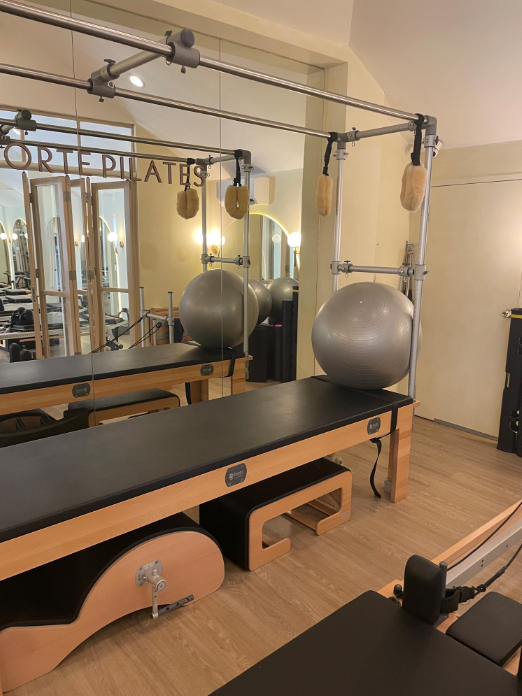
A carefully designed studio may have coordinated flooring, lighting, mirrors, and upholstery. A Reformer with an unsuitable color or bulky design can look out of place, even when it performs well.
For a high-end studio that has invested heavily in its interior, the equipment needs to fit that environment.
A Reformer may appear in members' Instagram posts, short videos, and studio promotions. Its appearance becomes part of how people recognize the studio.
This does not mean an attractive machine will automatically generate sales. However, visual consistency matters when a studio uses photography and social media to present its brand.
For white label distributors, this creates an opportunity to consider equipment appearance alongside performance.
Look at the frame design, upholstery colors, surface finish, and logo placement. The Reformer should look appropriate in the studios you want to supply.
An oversized logo or an unusual color is not always an advantage. Some customers prefer equipment that blends naturally into their interiors.
The important question is whether the machine supports the studio's visual identity without sacrificing its training function.
5. Check Reformer Comfort, Hardware, and Build Quality Before Ordering
A Reformer can look impressive in photographs and still disappoint during actual use.
We have received clear feedback from several customers about a particular protruding fastening design used on a well-known Reformer. They said the component could press uncomfortably against their legs during certain exercises.
Some explicitly asked us not to use that design.
The mechanism itself had a purpose, but its position affected the user's experience. This is why copying a feature from an established brand is not always the right decision.
When evaluating a Reformer, have an experienced instructor test different movements. Pay attention to exposed hardware, carriage edges, shoulder rests, footbar positions, and any components that may contact the body.
Small details can determine whether an instructor enjoys working with the machine every day.
Construction quality also deserves a closer look.
At the Indonesia exhibition, we examined equipment from other manufacturers and noticed differences in woodwork, bonded joints, fasteners, upholstery, and surface finishing.
Those observations showed how two similarly priced Reformers can differ in materials and workmanship.
A lower quotation may come from simpler finishes or fewer accessories. It may also reflect changes in components or construction that deserve closer inspection.
For a budget-oriented product, reducing unnecessary options can make sense. Compromising frame strength, spring attachment security, or essential locking mechanisms does not.
Your customers may have different budgets, but every model should meet the safety and reliability requirements of its intended use.
6. Compare White Label Reformer Costs and Validate the Factory Model
Once you understand the target customer, compare the factory's existing models rather than starting with a long list of customization requests.
For a premium studio market, the selected Reformer needs to justify its positioning through actual performance and finishing. Customers already using original international brands will expect convincing reasons to consider an alternative.
For a price-sensitive market, an established standard model may be more suitable than a highly customized machine.
Compare the full cost of selling it, not just the factory price.
Reformers take up considerable shipping space. Packaging, international freight, import charges, local delivery, storage, and replacement parts all affect the final selling price.
A cheaper machine may leave less profit if its transport or service costs are higher.
Before committing to a white label range, test a sample with people who understand the target market.
Ask instructors to use it through a complete session. Observe the adjustments, carriage movement, comfort, and overall stability. Check whether its materials and finishes match the customers you want to reach.
It is also worth asking prospective studio buyers what they currently use and what they would change. Their answers may reveal needs that are not obvious from a product catalogue.
After choosing the model, confirm the details that will remain consistent across future orders, including the spring system, upholstery, hardware, and key components.
Then discuss the branding options the manufacturer already supports, such as a logo, brand plate, packaging, or selected finishes.
White labeling works best when the underlying product has already been chosen for a clear market need. Your branding should identify the machine, not disguise a poor product fit.
Final Thoughts
Choosing a white label Pilates Reformer is not about finding the cheapest machine or copying the equipment used by a leading brand.
Indonesia offers a useful example. Some studios invest in original premium apparatus and carefully designed interiors. Others place price first. Local climate affects material preferences, different classes influence equipment requirements, and even a small hardware detail can change a customer's decision.
Studio appearance matters too. When members photograph their workouts and share them online, the Reformer becomes part of the studio's visible identity.
The most effective approach is to understand your customers first, then choose an existing factory model that fits their training needs, budget, and expectations.
Your logo goes on the machine. The experience it delivers is what customers will remember.