
Private Label Pilates Reformers: What Can You Customize?
A private-label reformer does not need to be mechanically original to be a compelling product. Some successful brands distinguish themselves through a coherent look, a well-chosen configuration and dependable local service. Others need a functional change because their customers teach differently or have unusual space constraints. The mistake is treating both projects as the same kind of customization.
When an overseas buyer asks a manufacturer what can be changed, the most useful response is not a long menu of colors and accessories. It is a clear explanation of which parts belong to an established platform, which options have already been engineered, and which requests create a new version of the machine. That distinction controls cost, consistency and support after launch.
1. Start With a Reformer Configuration, Not a Logo
Consider two prospective customers. One operates a group-class studio where instructors change spring resistance and footbar positions between clients. The other sells to home users who must move a reformer through an apartment and occasionally store it. Both could buy a wooden or aluminum machine, but their priorities are different.
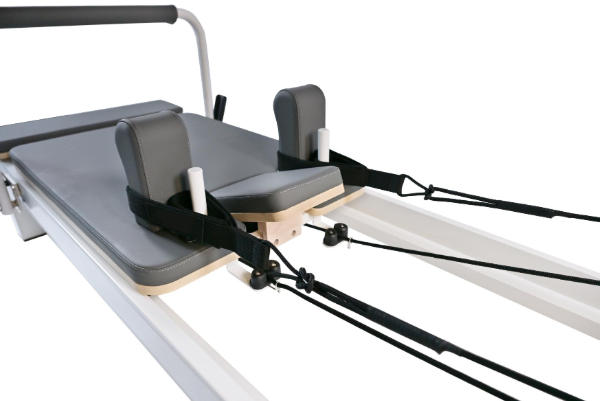
A studio configuration may favor a comfortable working height, fast adjustments and a sturdy accessory system. A home configuration may prioritize weight, a lower profile and straightforward assembly. Branding cannot compensate for a mismatch at this level.
The Balanced Body Studio Reformer illustrates how one family addresses different needs: published options include 14-, 18- and 24-inch frame heights. Balanced Body associates the 18-inch height with easier access for some users and the 24-inch height with clinical working ergonomics, while noting that the latter is too high for certain standing or lunge exercises. These are functional choices with consequences, not just aesthetic upgrades.
For your product brief, identify who will use the machine, how often, and what activities it must support. Decide which existing platform meets those requirements before discussing personalization.
2. Build a Brand Identity With Repeatable Visual Choices
The visual layer includes upholstery, frame finish, logo application, labels, instruction materials and export packaging. These are generally simpler than modifying a mechanism, but they still need production references.
A physical upholstery swatch is more dependable than a screen rendering. Record the material code, color reference, padding specification, seam detail and approved finish. Decide how the factory judges visible variation and whether replacement cushions can be supplied in the same material later.
Logo placement needs the same care. Its position should be considered not only on the machine itself but also in studio photographs and videos, where the Reformer appears alongside other equipment and interior details.
A laser-marked plate, printed badge and embroidered mark differ in durability and cleaning. Check the location against moving parts and required identification markings. A decorative logo should never obscure the model or warning label.
Packaging is part of the brand, but its primary job is protecting a heavy, partly assembled machine. Artwork, contents labeling and the unpacking sequence should reflect the actual shipping configuration. A customer receiving an immaculate carton containing a scratched rail will remember the damage, not the graphic design.
3. Choose Functional Options by Their Effect on Teaching
A reformer is experienced through its moving carriage, springs, ropes, footbar and available exercise space. Functional customization should answer how instructors or users will work differently.
Footbars provide a concrete example. Balanced Body compares its Classic, Revo, XSR and Infinity configurations. Published descriptions distinguish three-height Classic settings, four-position Revo adjustments, a wide XSR option and an Infinity system with five vertical and 32 horizontal locking positions. These are configurations of Balanced Body products, not interchangeable mechanisms every factory can provide. Their lesson is that adjustability has a direction, range, locking method and teaching purpose.
Ask your supplier to demonstrate the intended adjustment sequence. Where does the user place their hands? Does changing a setting require moving the carriage or unloading the springs? How is secure engagement confirmed? A “six-position footbar” may be less useful than a simpler mechanism instructors can operate consistently.
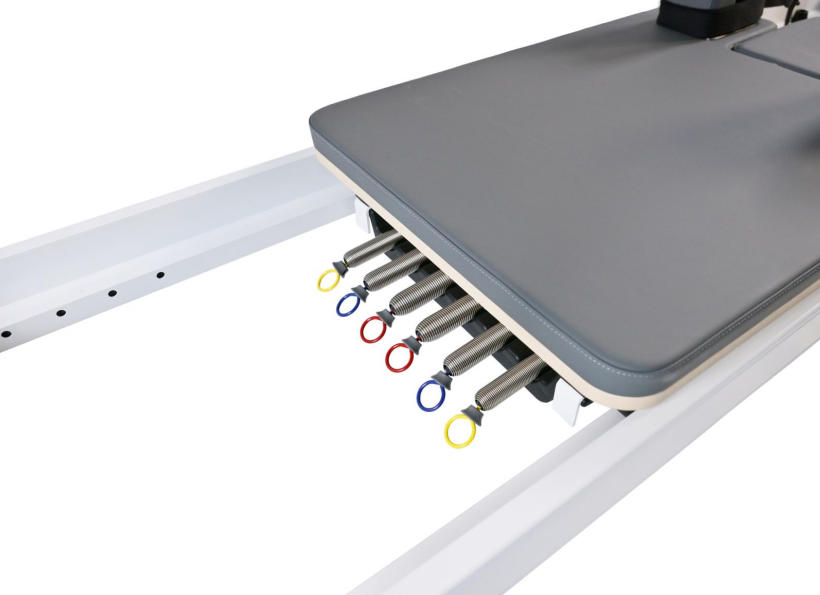
The same applies to springs. Five springs do not constitute a universal resistance specification. Color coding differs between manufacturers, and force depends on initial tension and extension. A new spring mix needs actual specifications and verification of the anchors, springbar and intended movements.
4. Plan Accessories as a System
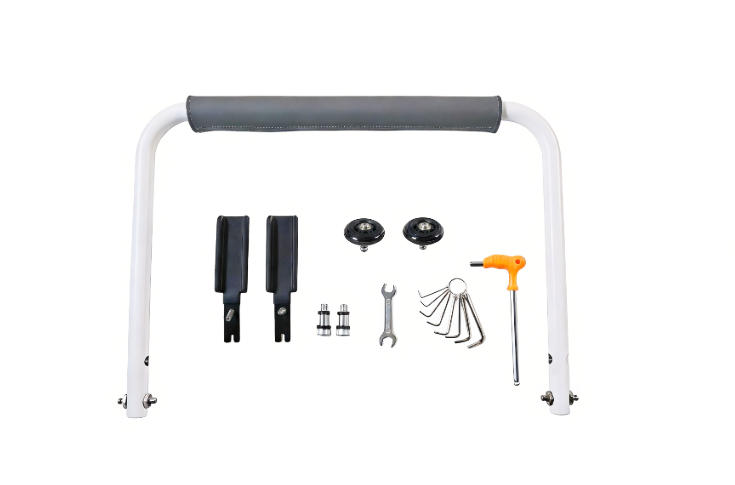
A sitting box, jumpboard, platform extender or tower is often discussed as an accessory. From a product-planning perspective, some attachments are part of the machine's architecture.
A jumpboard may attach through a defined interface, while a tower can require mounting points prepared during frame manufacture. Balanced Body notes that certain Studio Reformer upgrades require pre-drilling. The implication for a private-label buyer is straightforward: a customer may not need an upgrade today, but the decision about whether the frame can accept it later belongs in the original specification.
Request an accessory compatibility drawing identifying relevant machine revisions, mounting hardware and necessary preparation. State whether each part is included, optional or installable only by a qualified technician. Do not advertise universal compatibility based on one successful sample.
A deliberate accessory strategy can simplify your range. One sound platform with meaningful options and a documented upgrade path may serve more customers than several unrelated frames. Fewer mechanical versions also mean fewer stocking errors and simpler spare-parts support.
5. Recognize When Customization Becomes Development
Changing upholstery material may require additional sampling and a revised appearance standard. Altering carriage geometry, folding joints, wheel arrangement or load-bearing connections can require an entirely different level of engineering work.
The important question is whether the requested change affects the approved design. When it changes how a mechanism works, it becomes a matter of custom Reformer development rather than choosing from existing factory options.
A longer carriage influences frame length and support positions. A folding system affects stability during handling and storage. Relocating a spring anchor affects forces and clearances.
Before approving such a request, agree on requirements, drawings, prototype stages, risk assessment, relevant tests and the transfer of the finished design into production. A sample that feels good is not sufficient evidence for a redesigned mechanism.
Make the commercial boundary visible: an established, validated factory option is one thing; a new engineering change is another. This prevents a sales quotation from promising a fast “customization” that production and quality teams have not evaluated.
6. Calculate the Cost of Maintaining Each Version
Customization continues after the first order leaves the factory. A unique upholstery color creates replacement-part obligations. A different carriage roller may require separate spare stock. A special finish may have a higher minimum material purchase than the quantity needed for complete machines.
Imagine an illustrative development charge of $4,500 for a new mechanism and validation. At 150 units that adds $30 per unit before other costs; at 50 units, $90. This is not a real factory quote. It demonstrates why a customization decision depends on credible sales volume.
Ask suppliers to separate tooling and engineering expenses, recurring unit costs and minimum quantities by finish. Clarify ownership of paid-for tools, discontinued material policies and the availability of compatible service parts.
Variety is not automatically a competitive advantage. A stable range of configurations customers understand can create more value than a catalog of rarely ordered variations.
7. Approve a Product You Can Reorder
Final approval should identify an exact model and revision. Retain frame dimensions, spring mix, adjustment hardware, upholstery reference, accessories, labels, packaging and relevant validation evidence. The same information must be reflected in purchasing, production and service records.
If a supplier proposes a component substitution, assess whether it affects function, appearance or compatibility and require appropriate approval before production. Record the first batch containing the change. A future distributor must not guess which springbar or roller fits an installed unit.
Private-label customization works when it creates a product the buyer can explain, demonstrate and reorder confidently. The useful question is not “How many things can a factory change?” but “Which differences matter to our customers enough that we can justify making and supporting them?”