
How to Start Your Own Pilates Equipment Brand: From First Product to Customer Trust
Starting a Pilates equipment brand requires decisions about the experience you will deliver. A studio considering ten reformers needs dependable equipment, efficient adjustments and accessible maintenance. A home buyer may prioritize room dimensions, installation and guidance for getting started.
Those expectations should shape your product, manufacturing agreement, pricing and sales channel. The following steps explain how to turn a customer promise into specifications, evidence and support.
1. Choose Your Target Pilates Equipment Market
Define your first customer before selecting a reformer. “Pilates enthusiasts” is too broad to guide product development or purchasing decisions.
For professional studios, investigate daily usage, class transitions, instructor preferences, cleaning routines and maintenance access. For home users, examine available space, delivery access, storage, assembly and learning needs.
Ask potential buyers about their most recent purchase: what they compared, what influenced their choice and what disappointed them afterward. Translate recurring concerns into a focused promise, such as straightforward adjustments for group classes or manageable storage for home practice.
Balanced Body provides a useful example. Founder Ken Endelman began improving reformers after a Pilates teacher asked him to build a better version, then continued developing equipment with instructor input.
Document your intended customer, use environment and purchase criteria in a short product brief. Use it to evaluate subsequent decisions.
2. Choose Your Products and Equipment Manufacturer
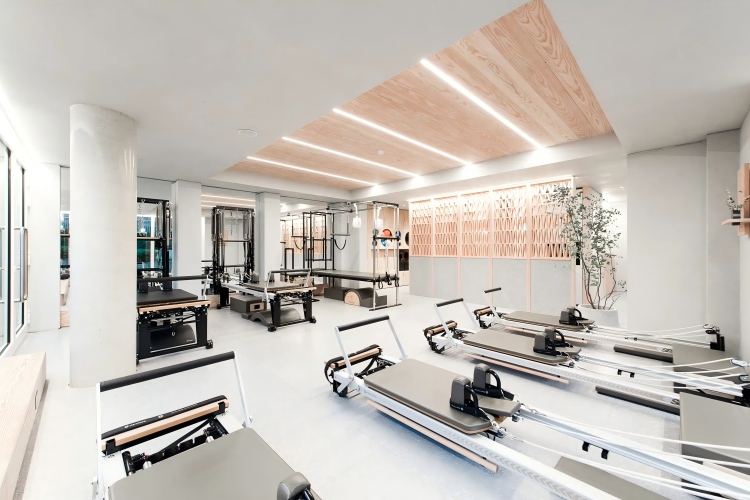
Build an initial range around that brief. One reformer with carefully selected accessories gives you a manageable starting point for purchasing, documentation and spare parts.
Specify dimensions, carriage travel, adjustment ranges, spring configuration, upholstery, accessories and storage requirements. Separate essential features from options customers may purchase later.
Then choose your development route:
Private label: adopt an existing model with agreed branding and customization.
Co-development: modify an established platform to address particular requirements.
Original design: commission a product requiring additional engineering, tooling and validation.
Suppliers use these terms differently, so when choosing between OEM and ODM manufacturing, brands should define the scope of design work, production responsibilities, and approval requirements in the agreement.
When evaluating a manufacturer in China, review how its team handles specifications, sample revisions, component sourcing, inspection and export packaging. Request examples of relevant records and assess how clearly it answers technical questions.
Agree on ownership of drawings and tooling, approval of material substitutions, production lead times, warranty responsibilities and replacement-part availability. Record which specifications are fixed and which changes require your approval.
3. Test Pilates Equipment Samples and Control Quality
Give sample evaluation a written plan. Have suitable instructors and intended users assess adjustments, carriage movement, body fit, accessory installation and maintenance access. A folding model also needs evaluation during unfolding, storage and repositioning.
IDC’s published FÔLD case study illustrates this process. User feedback identified excessive movement while folding the reformer. The project introduced a spring-assisted mechanism and more stable support, went through prototype iterations, and included manufacturing-transfer support at the Chinese factory.
Record each issue, the proposed change, the revised version and the retest result. Approval should identify the exact configuration being accepted, so the first private label equipment order can be produced, inspected, and shipped to the same specifications.
Agree on safety requirements appropriate to the destination market, intended use and product configuration. Review reports for the relevant model and test conditions. Claims about commercial suitability should align with specifications, evidence and warranty scope.
For production, establish the approved specification, material references, critical dimensions, functional checks and packaging requirements. Define inspection records and how nonconforming units will be handled.
Batch inspection should confirm that production follows the approved design. Keep version information traceable so future replacement parts fit the machines already sold.
4. Calculate Startup Costs and Price Your Equipment
Build your budget around a defined model, order quantity, destination and delivery arrangement. Separate development expenses from recurring unit costs.
| Cost category | Items to include |
|---|---|
| Product development | Samples, engineering, tooling and testing |
| Purchasing | Equipment, accessories, customization and packaging |
| Importing | Freight, insurance, clearance, duties and taxes |
| Local fulfilment | Storage, delivery, installation and packaging removal |
| Sales | Payment fees, channel margins, demonstrations and acquisition |
| Support | Spare parts, replacement shipping, labour and returns |
Check every quotation for inclusions and exclusions. Delivery to a port, roadside unloading and installation inside a studio involve different services.
Calculate the contribution remaining after variable selling, fulfilment and support costs. Separately assess the cash needed for deposits, final payments, inventory and operating expenses before sales arrive.
Use supplier quotations and local service estimates for your actual project. Historical buying anecdotes can identify overlooked expenses, but offer limited pricing guidance when specifications and delivery conditions differ.
5. Build Sales Channels for Your Pilates Brand
Choose channels that help your intended customers evaluate the equipment.
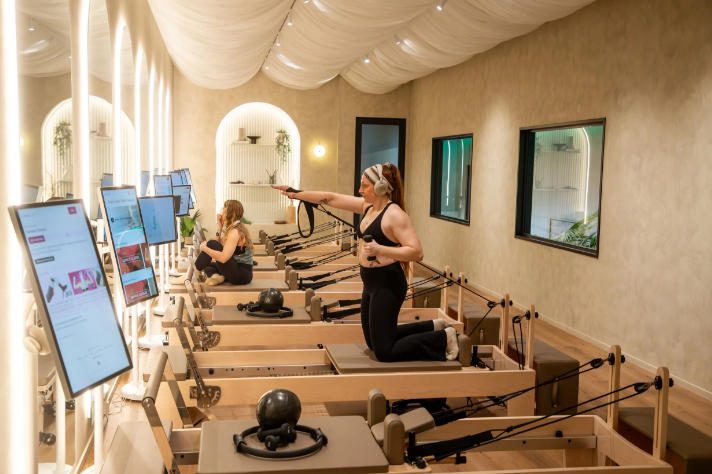
For studios, consider instructor demonstrations, trial installations, specialist dealers and industry events. Prepare information about adjustments, maintenance, compatible accessories and service arrangements. For home buyers, provide dimensioned layouts, clear setup videos, package contents and delivery eligibility.
Merrithew combines equipment with professional education, manuals and training resources. Its approach shows how product knowledge can become part of the customer relationship. A new brand can begin with model-specific orientation and maintenance guidance, working with qualified instructors where exercise instruction is offered.
Your Reformer addresses another entry barrier through rental options that combine equipment with classes and delivery support in eligible areas. These arrangements let customers try home practice with a smaller initial commitment. A brand considering rental must also budget for collection, refurbishment and idle inventory.
Publish evidence buyers can assess: accurate specifications, equipment demonstrations, clear warranty terms and customer accounts that explain the setting and duration of use.
6. Plan Delivery and After-Sales Support
Map the journey from dispatch to normal use. Confirm who schedules delivery, checks access, unloads the crate, carries equipment indoors, completes installation and removes packaging. State these responsibilities before payment.
Align-Pilates makes these distinctions in its delivery policy, separating kerbside delivery from installation services. Its published maintenance offering also makes ongoing servicing a visible part of equipment ownership.
Prepare a support process that identifies the model, production version, affected component and supporting photos or video. Assign technical assessment, customer communication, replacement shipping and local repair to specific teams or partners.
Keep records of response time, diagnosis, parts dispatch and restoration of use. Confirming receipt of a message and resolving the problem are separate stages.
A public PersonalHour customer review and company response demonstrate the distinction. The customer reported damaged equipment arriving on May 7, 2025, and replacement components arriving on May 23. They appreciated the eventual outcome while criticizing the wait and disposal burden. The company acknowledged inadequate repacking of the display unit.
Use early orders to check packaging, instructions, delivery coordination and support procedures. Resolve recurring issues before increasing volume, and ensure revisions reach production documents and service guidance.
Begin with a launch brief covering your target market, customer profile, product requirements, estimated quantity and delivery expectations. Use it to request comparable manufacturing proposals, then approve a first order when the product specification, cost breakdown and support responsibilities are clear.